What Is Pressure Cleaning? A Practical Lismore Guide
Pressure cleaning uses a powered pump to spray water onto a surface, loosening and removing dirt, mud, algae and other buildup. Also called pressure washing, it is commonly used on concrete driveways, paved paths, patios and some exterior masonry. For Lismore properties, it can help manage slippery outdoor surfaces and grime encouraged by the Northern https://emilianogloy114.westhavenscope.com/posts/high-pressure-vs-chemical-washing-what-really-works Rivers’ humid climate and regular rainfall.
Effective pressure cleaning is not simply about using maximum pressure. The right method depends on the surface, its condition, the contamination and where the wastewater will go.
How Does Pressure Cleaning Work?
A pressure cleaner forces water through a hose and nozzle. The nozzle controls the spray pattern, while pressure, water flow and working distance influence cleaning performance. Some jobs also require a suitable detergent and time for it to work before rinsing.
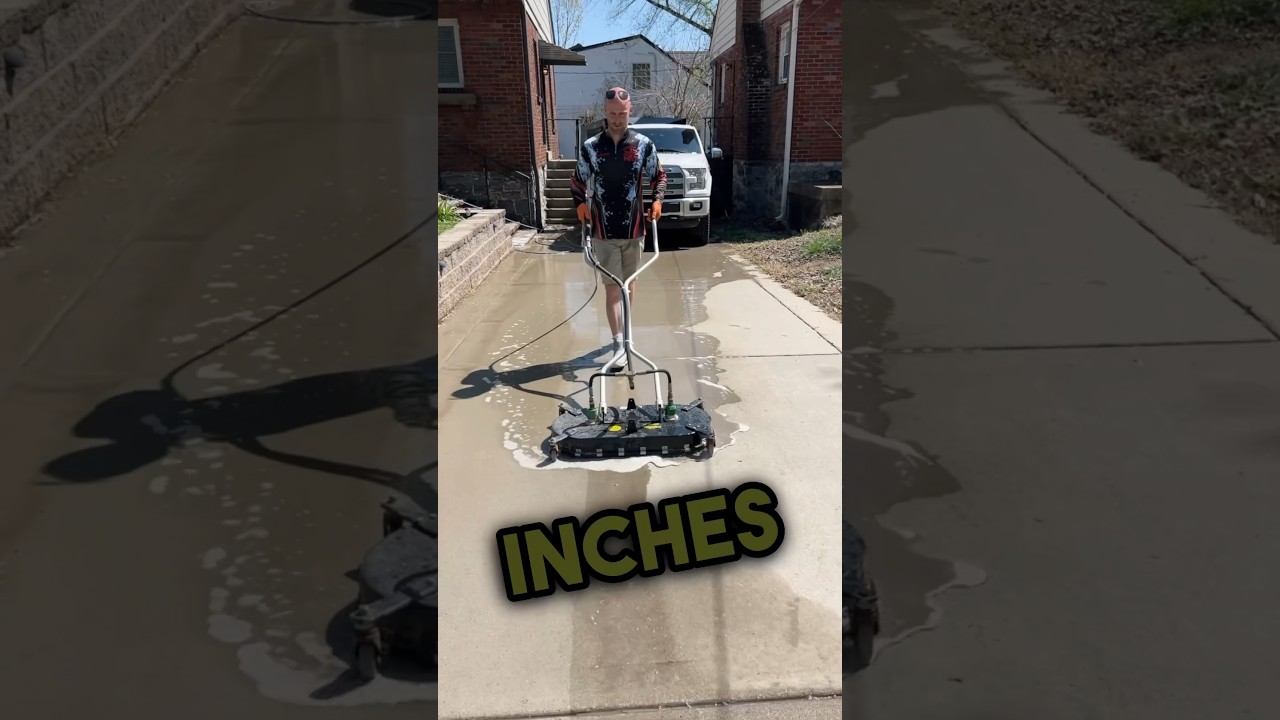
On broad, sound concrete areas, a rotary surface cleaner can produce a more consistent finish than a handheld nozzle alone. However, excessive pressure or holding the nozzle too close can still etch concrete, strip coatings or damage joints.
Pressure Cleaning Versus Soft Washing
Pressure cleaning relies mainly on the force of water. Soft washing uses lower pressure and suitable cleaning solutions to loosen grime and treat organic growth before rinsing.
Soft washing is often more appropriate for painted walls, weatherboards and other delicate exterior finishes. Roof cleaning requires particular care: the method must suit the roofing material, its condition and manufacturer guidance. High pressure is not suitable for every roof or wall.
Which Surfaces Can Be Cleaned?
- Concrete driveways and paths: Often suitable when the concrete is sound and sufficiently cured. Cracked, decorative or sealed concrete needs extra assessment.
- Pavers: Can be cleaned, but excessive pressure may dislodge jointing sand. Re-sanding may be needed afterwards.
- Brick and masonry: Require care around weathered faces, loose mortar and existing water-entry points.
- Timber decks: Need a gentle, timber-appropriate approach to avoid gouging or raising the grain.
- Painted and coated surfaces: Should be assessed and spot-tested because pressure can lift loose paint or damage finishes.
Never pressure clean suspected asbestos-containing materials. Older properties may contain asbestos cement sheeting or roofing, and high-pressure water can release hazardous fibres. Arrange appropriate identification and specialist advice before work starts.
Practical Considerations for Lismore Properties
Shaded Areas and Slippery Growth
Shaded paths, south-facing areas and surfaces beneath vegetation can stay damp and develop algae. Clean these areas when buildup becomes noticeable rather than relying on a fixed annual schedule. Improving drainage and clearing leaf litter can help slow its return.
Flood-Affected Areas
Flood residue requires more care than routine dirt removal. Floodwater can leave sewage, chemicals and other contaminants, so pressure washing should not be the first step where contamination is suspected. Follow current NSW Health and local recovery guidance, assess electrical and structural hazards, and remove contaminated debris safely before considering surface cleaning.
Protecting Drains, Gardens and Waterways
Wash water can carry sediment, oil, paint particles and cleaning chemicals. Do not allow polluted wash water to enter stormwater drains, which can discharge to local waterways. Plan containment and collection before starting, and confirm an appropriate disposal method with Lismore City Council or the relevant water authority. Do not assume discharge to the sewer is permitted.
Protect nearby plants from overspray and follow cleaning-product labels. Check current local water restrictions before booking or undertaking the work, as conditions and permitted uses can change.
How to Prepare for Pressure Cleaning
- Move vehicles, furniture, pots and loose items out of the work area.
- Close windows and doors, and identify damaged seals, vents and exterior electrical fittings.
- Point out cracks, loose paint, drainage problems and delicate surfaces to the operator.
- Keep children and pets away, and arrange safe access while surfaces are wet.
- Confirm the cleaning method, wastewater controls and whether re-sanding or other follow-up work is included.
DIY or Professional Pressure Cleaning?
A small, sound concrete area may suit careful DIY cleaning using the equipment manufacturer’s instructions, appropriate protective equipment and a test patch. Never direct the jet at people, animals or electrical equipment, and avoid working from a ladder with a pressure cleaner.
Professional help is worth considering for large areas, fragile surfaces, difficult drainage or work at height. Ask for a written scope, evidence of suitable insurance and an explanation of how the operator will protect the property and manage runoff.
Pressure cleaning can improve appearance and remove slippery buildup, but it cannot repair deteriorated materials or guarantee complete stain removal. For a Lismore property, the best result comes from matching the method to the surface and addressing the moisture or drainage issues that encourage grime to return.
Lismore Pressure Cleaning
(02) 6617 2969
Corrections
Spot something wrong? Send it to the desk and it gets fixed in the open.